Look at the date: 11월 11일, or 11/11. Those four 1s in a row look like four thin sticks standing side by side, and that's exactly why November 11th is 빼빼로데이. It's what Koreans call 데이 마케팅 (day marketing): a day built around a product to help sell it. That means it isn't an official holiday and nobody gets time off. Still, it took off in the 1990s and has become one of the best-known days of the year, with a wall of chocolate sticks at every convenience store and little boxes going around the office.
Most gift days in Korea lean toward one side. On 발렌타인데이 the buyers are mostly women, and on 화이트데이 they're mostly men. 빼빼로데이 doesn't work that way, since both men and women buy it, which is why convenience stores treat it as their biggest day-event of the year. It's especially popular with teenagers. By November, classmates already know each other well, and with the 수능 and the end of the year coming up, handing out a small gift feels natural. Here's how the day works, and the words you need for it.
빼빼로데이
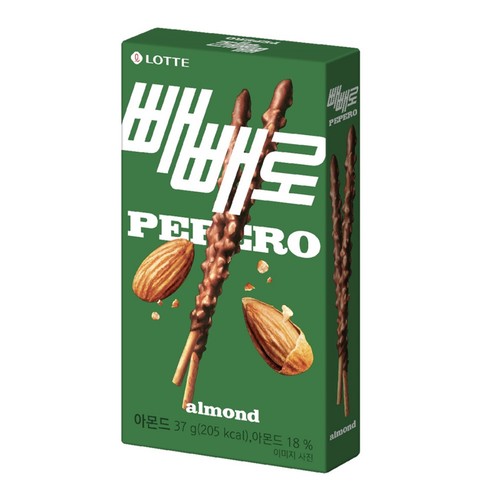
빼빼로 is a thin biscuit stick covered in chocolate, sold by Lotte since the early 1980s. The name plays on 빼빼, a word for very skinny, as in 빼빼 말랐어요 ("so skinny").
There are different stories about how the day started. One popular version says students used to give each other 빼빼로 and wish each other to stay slim like the sticks, and the habit spread from there. The exact origin isn't settled, and the company that makes the snack clearly helped it grow.
People give 빼빼로 to friends, family members, classmates, and coworkers, and nobody expects a big gift. Stores also sell gift sets with extra decorations, and there are flavors for almost every taste, but the plain chocolate one is still the one people think of first.
"친구한테 빼빼로를 줬어요." — I gave my friend 빼빼로.
"편의점에서 빼빼로를 많이 샀어요." — I bought a lot of 빼빼로 at the convenience store.
기념일
기념일 is a commemorative day or anniversary. 기념 means "to commemorate" and 일 means "day." It covers official days, but also personal ones, like a couple's 100일 (100 days together) or a wedding anniversary. 빼빼로데이 isn't a public holiday, but many people treat it as a 기념일 anyway, and that's why you'll hear the word around this time of year.
"오늘은 우리 기념일이에요." — Today is our anniversary.
"빼빼로데이는 공휴일이 아니라 기념일이에요." — 빼빼로데이 is not a public holiday, but a day people mark.
챙기다
챙기다 is a verb Korean speakers use all the time and English has no single word for. It means to look after something, or to make sure you remember it. You can 챙기다 your bag, your health, a friend's birthday, or a day like this one. When someone says 기념일을 잘 챙겨요, it means they're the kind of person who never forgets these dates.
"여자친구는 기념일을 잘 챙겨요." — My girlfriend is good at remembering special days.
"우산 챙겼어요?" — Did you bring your umbrella?