If you've ever cooked Korean food, you've used 간장 — soy sauce. But do you know how it's made? Traditional Korean soy sauce is a months-long process, and the vocabulary around it is actually really useful for understanding Korean food culture more broadly.
Let's get into it!
The whole thing starts with 콩 (soybeans). You boil them through — 삶다. Worth noting: 삶다 specifically means to boil something in water. You'd use it for eggs, potatoes, or in this case, a big pot of soybeans. You’d use 끓이다 if you’re just boiling the water itself.

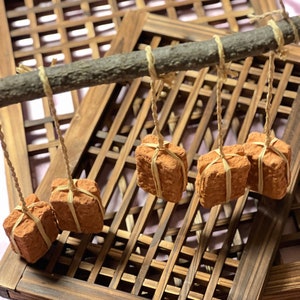
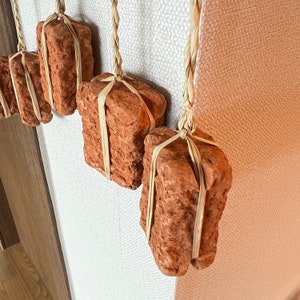
Once they're soft, the beans get mashed and shaped into dense blocks called 메주. These get tied up with 볏짚 (rice straw) and hung up to ferment — 발효. The straw isn't just for hanging; it carries the wild bacteria (Bacillus subtilis) that get things going.
After a few weeks, the 메주 blocks go into large clay pots called 항아리, submerged in 소금물 (saltwater). To keep the batch pure, Koreans often float 숯 (charcoal), dried red peppers, and jujubes on top to remove impurities and ward off "bad luck" (and bacteria!).
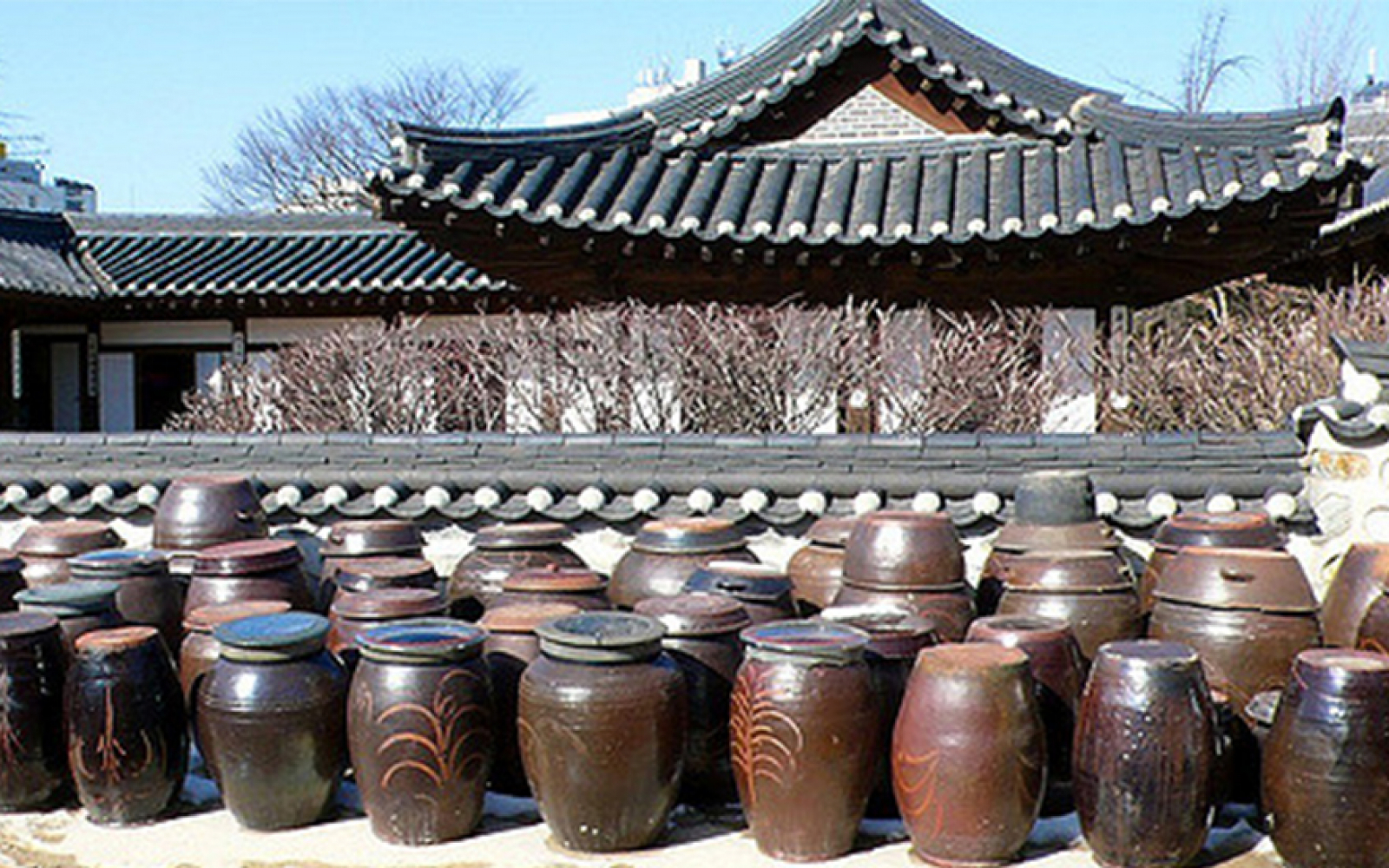
These pots live on the 장독대 — the outdoor terrace you'll see behind traditional Korean homes, usually with a whole row of them. On sunny days the 뚜껑 (lids) come off. On rainy days, back on.
After about 40 to 60 days, it’s time for a crucial step called 장 가르기, or "separating the Jang."
The solids and the liquid are separated:
- The Solids: Become 된장, the fermented soybean paste.
- The Liquid: Becomes 간장, the soy sauce.
Then the liquid is poured into a large cauldron and simmered down — 달이다. We boil it over 약불 (low heat) to kill off any unwanted bacteria and stabilize the flavor. It concentrates the "umami" and ensures the sauce won't spoil.
After the liquid has completely cooled, it goes back into a clean 항아리. Now comes the true aging — 숙성.
Even though it was boiled, the soy sauce continues to evolve. Because the clay pots are "breathable," water slowly evaporates, making the sauce thicker and darker. Sunlight and air mellow out the harsh saltiness, turning it into a deep, complex masterpiece.
You'll see the word 숙성 on a lot of things in Korea — wine, cheese, soy sauce. It just means aged or matured.
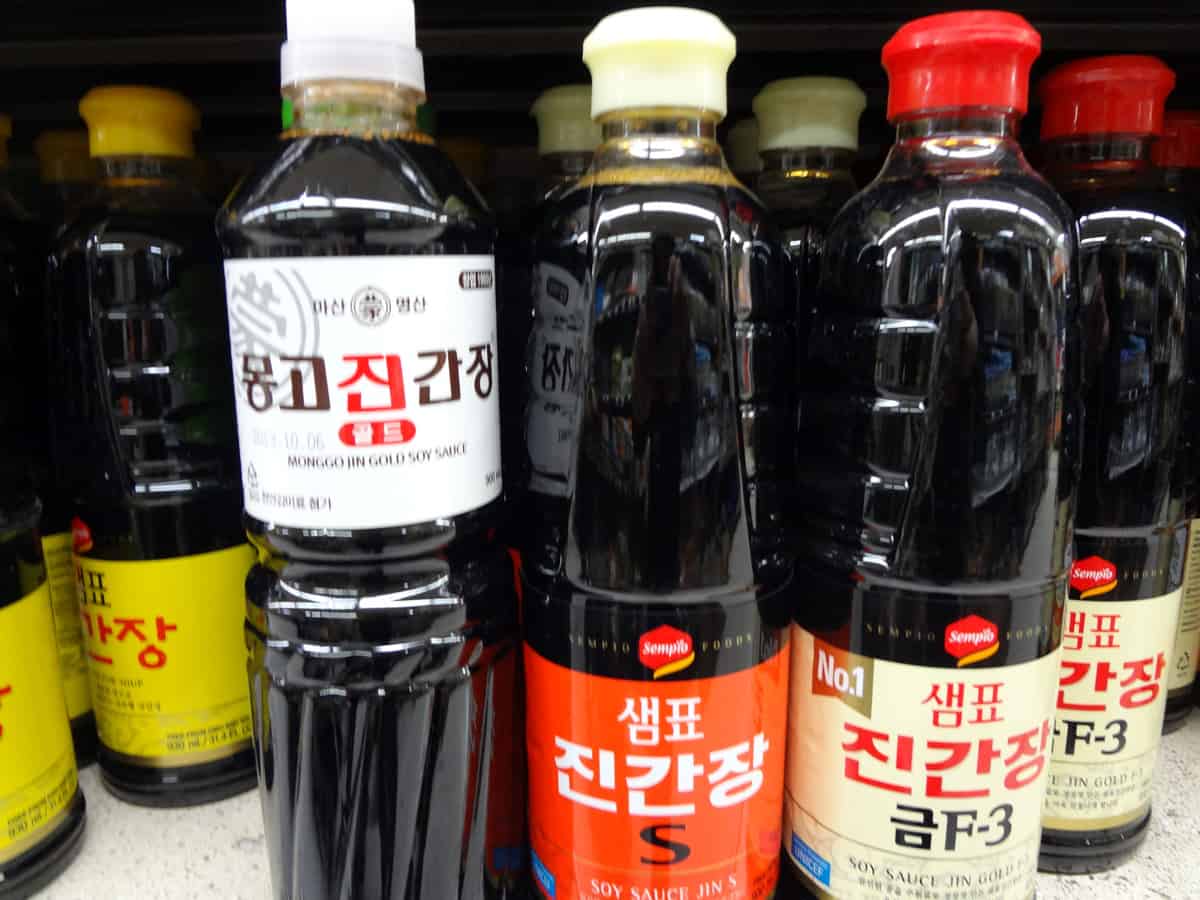
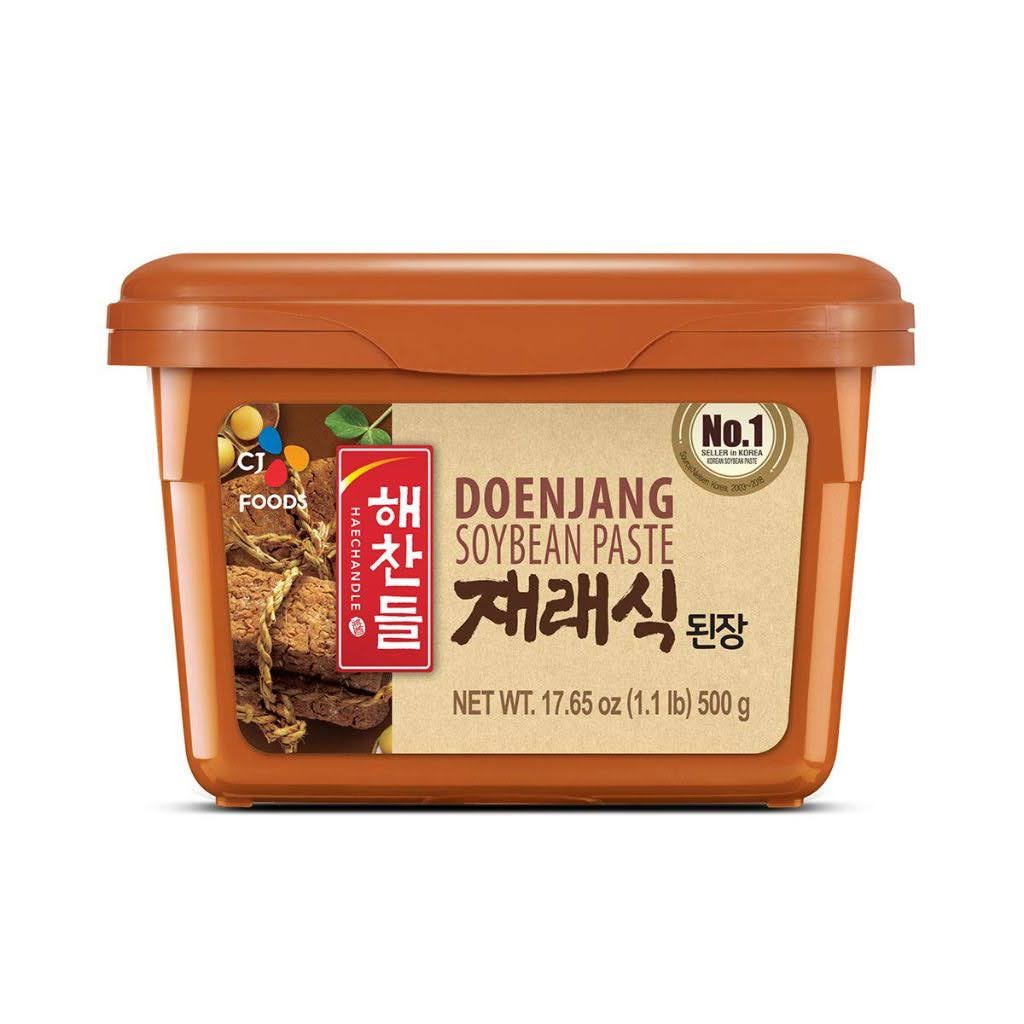
And the verb that covers this whole process? 담그다 — to submerge, to steep, to brew. You'll hear it used for kimchi, makgeolli, and all kinds of fermented foods. If someone says 장을 담갔어, they made a whole batch of fermented condiments.
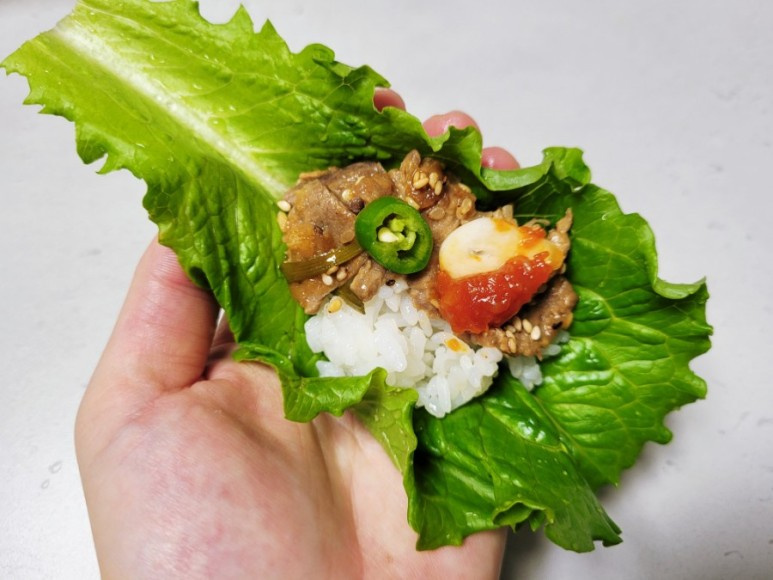
One more worth knowing: 쌈장. If you've eaten Korean BBQ, you've had it — the thick, savory paste that goes with grilled meat and lettuce wraps. It's basically 된장 mixed with 고추장 (gochujang, chili paste), sesame oil, garlic, and a bit of sweetness. The name comes from 쌈 (a wrap, usually a leafy vegetable) + 장 (fermented condiment). So literally: wrap sauce.