A few weeks ago we talked about 떡 and the new trendy 버터떡. Well, we figured that we should build out the list for the desserts that are available!
We just went to a dessert fair here in Jeju and tried a lot of delicious desserts from around the island. While we were eating, we thought it’d be a great topic to talk about and discuss the variety of words found within the world of desserts!
Nowadays things have become pretty Westernized in the cafe and dessert world. As a result, it’s not uncommon for everything in the bakery to go by an English (or French) name, but just written in Korean! For instance:
- 쿠키 → cookie
- 케이크 → cake
- 브라우니 → brownie
- 휘낭시에 → financier (French)
- 마카롱 → macaron (French)
- 말차 → matcha
- 호지차 → hojicha (roasted matcha)
- 라떼 → latte
- 카푸치노 → cappuccino
Some common flavor modifiers you'll see that are combined with the above desserts are:
- 버터 → butter
- 초콜릿 → chocolate
- 말차 → matcha
- 딸기 → strawberry
- 크림치즈 → cream cheese
- 얼그레이 → Earl Grey
- 솔티드캐러멜 → salted caramel
So, it’s pretty likely you’ll be able to order something like a 말차쿠키 or a 딸기케이크 at a dessert cafe with no issues! (Frankly, before coming to Korea, we only had a financier maybe once or twice, but it is huge here — so good.)
Now that we have the modern ones out of the way, let’s jump in and look at a few of the traditional desserts that are equally delicious!
약과
약과 is a deep-fried wheat cookie soaked in honey and ginger syrup. The outside is slightly crisp, the inside dense and fragrant. The name breaks down as 약 (medicine) + 과 (confection) — honey, sesame oil, and ginger were all considered medicinal ingredients in traditional Korean medicine, so this "sweet" was also thought of as nourishing
There was a trend, almost a billion years ago in Korean trend years, called 약과 쿠키 that was a 약과 placed on top of a cookie. Pretty spot-on name.

약과 placed on top of a cookie = 약과 쿠키
강정
강정 is made from puffed grains — rice, sesame seeds, peanuts, or a mix — bound together with honey or grain syrup (조청) and pressed into blocks or balls. They essentially look like a Korea version of a rice crispy treat, but more nutritious and more variety of flavors!
They look like this:
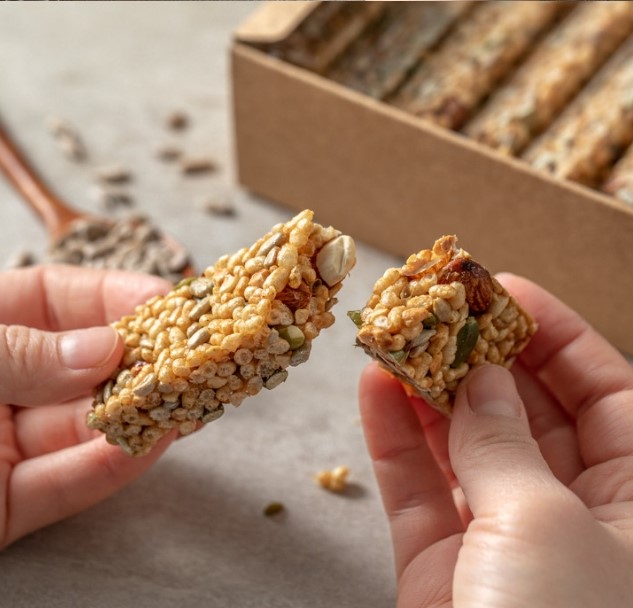
They are really light and incredibly easy to eat a ton of them in a single sitting! You’ll see some savory versions out there that have seaweed (김) and salt and are also really good!
정과
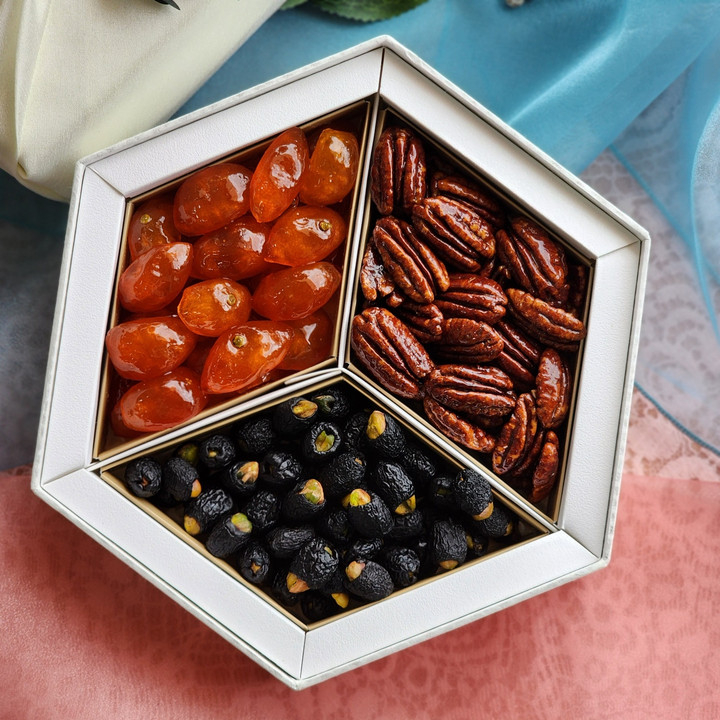
정과 is a traditional Korean confection made by simmering fruits, roots, or vegetables in honey or sugar syrup until they become translucent, chewy, and intensely flavored. Common ingredients include 과일 (fruits), 호두 (walnut), 도라지 (bellflower root), and 생강 (ginger).
식혜
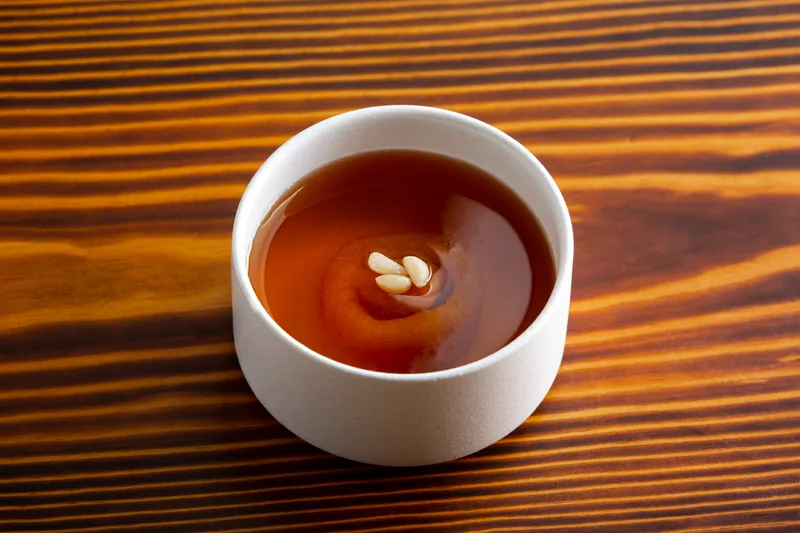
식혜 is a cold, mildly sweet rice beverage made by fermenting cooked rice with malted barley water (엿기름). It's usually served chilled with a few grains of rice floating inside, sometimes with pine nuts (잣) or thin slices of jujube (대추) on top.
You’ll often see it in a 찜질방 and it is incredibly refreshing after a good session there. Super ice-cold and slightly sweet hits just right after sweating in a hot room!

수정과
수정과 is a dark, amber-colored cold punch made by simmering cinnamon (계피) and ginger (생강), sweetening the liquid, and adding dried persimmon (곶감). It's served chilled, usually garnished with pine nuts (잣).
식혜 and 수정과 are considered the two pillars of Korean traditional dessert drinks, but while 식혜 is broadly liked, 수정과 tends to divide people because its strong cinnamon flavor may not be for everyone.
-청
청 means “clear” or “pure” and in a culinary context it refers to a preserve made by layering fruit or other ingredients with sugar or honey until the mixture releases its liquid and forms a thick, fragrant syrup.
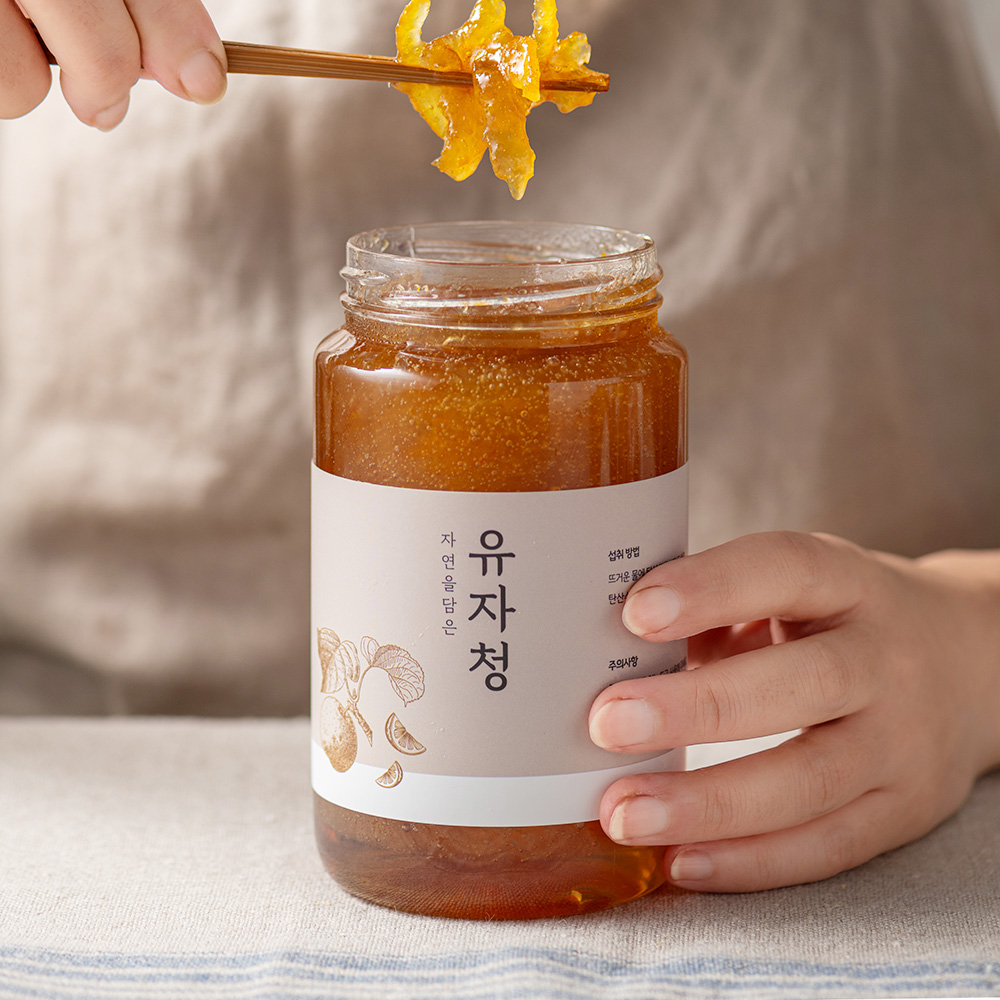
These are essentially Korean preserves and are extremely sweet (makes sense, given that it is covered in sugar or honey). You can use them for tea, desserts, cocktails, really anything and a jar goes a long way. Worth heading over to a Korean grocery store to pick some up if you’ve never tried! The most common varieties are:
- 유자청 (pictured above) — made from 유자 (yuza, Korean citron). Aromatic, floral, and tart. Stirred into hot water to make 유자차, or used as a glaze or dessert topping.
- 매실청 — made from 매실 (Korean plum/ume). Slightly sour and fruity. Frequently used in Korean cooking, marinades, and cold drinks.
- 생강청 — made from 생강 (ginger). Spicy and warming. Mixed with hot water to be used as a base for 생강차.
- 레몬청 — made from lemon. A more recent addition, popular in cafes as a base for cold lemon drinks.
- 딸기청 — made from 딸기 (strawberry). Common in spring, used for lattes and teas.